Global Security in a Time of Heightened Tension: Understanding Risks, Realities, and the Path Forward
Global Security in a Time of Heightened Tension: Understanding Risks, Realities, and the Path Forward
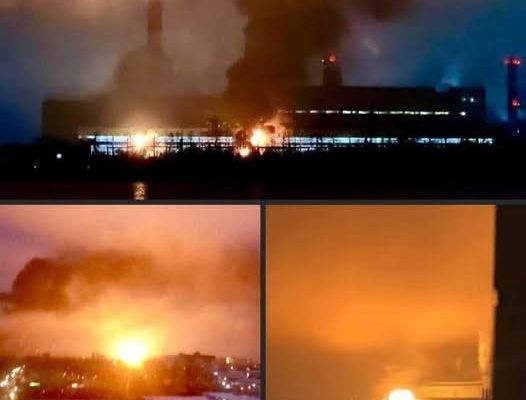
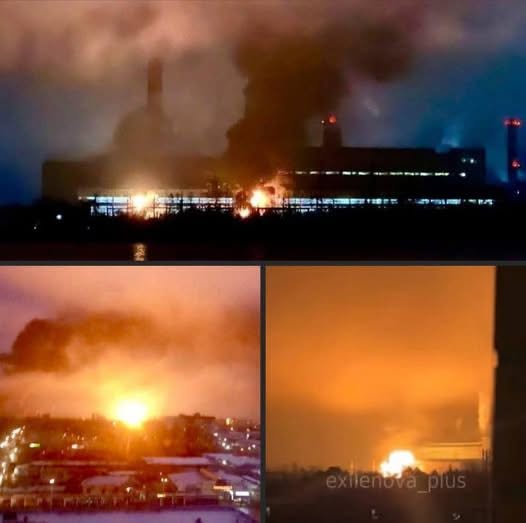
Across the world, discussions surrounding international security have intensified as governments confront an increasingly complex geopolitical landscape. Images of industrial fires, military activity, damaged infrastructure, and emergency responses frequently dominate news headlines, contributing to growing public concern about global stability. While such events often attract immediate attention and speculation, they should be understood within a broader context that distinguishes verified facts from assumptions and temporary crises from long-term strategic trends.
The modern international security environment is shaped by multiple challenges occurring simultaneously. Ongoing regional conflicts, strategic competition among major powers, cyber threats, energy security concerns, and rapid technological advances have transformed how nations assess risks. Rather than a single global crisis, today’s world faces several interconnected challenges that influence political, economic, and military decision-making.
One of the most significant factors contributing to heightened tensions is the persistence of regional conflicts. Military confrontations in Eastern Europe, the Middle East, parts of Africa, and Asia continue to affect not only the countries directly involved but also neighboring states and the wider international community. These conflicts can disrupt global supply chains, increase humanitarian needs, and influence international diplomatic relations.
Critical infrastructure has become an increasingly important element of modern security discussions. Facilities such as power plants, oil refineries, transportation hubs, telecommunications networks, and industrial complexes are essential to both civilian life and national economies. When incidents involving these facilities occur—whether caused by accidents, natural disasters, technical failures, or deliberate attacks—they often generate widespread concern because of their potential economic and environmental consequences.
Energy infrastructure, in particular, remains strategically important. Electricity generation, fuel distribution, and industrial production underpin modern economies. Any disruption can affect manufacturing, transportation, healthcare, communications, and daily life. Governments therefore invest heavily in protecting these systems through improved security measures, emergency planning, and international cooperation.
Another defining feature of today’s security environment is the growing role of technology. Cybersecurity has become a central national security priority as governments and private organizations seek to defend digital infrastructure against hacking, ransomware, espionage, and information theft. Unlike traditional military operations, cyber incidents can occur across borders within seconds and may target financial institutions, hospitals, transportation systems, or public services without physical confrontation.
The information environment also presents significant challenges. Social media enables news to spread globally within minutes, but it also allows rumors, misinformation, and manipulated images to circulate rapidly. During developing events, early reports are frequently incomplete or inaccurate. Responsible journalism emphasizes confirmation from official authorities and multiple reliable sources before drawing conclusions about causes, casualties, or responsibility.
Diplomatic engagement remains one of the most effective tools for preventing escalation. International organizations, regional alliances, and bilateral negotiations continue to provide mechanisms through which governments can communicate, resolve disputes, and reduce misunderstandings. While diplomacy may receive less public attention than military developments, it plays a critical role in maintaining international stability and preventing crises from expanding into broader conflicts.
Economic interdependence also acts as an important stabilizing force. Global trade connects nations through shared commercial interests, investment, manufacturing, and financial markets. Major disruptions caused by conflict can produce consequences far beyond the immediate region, affecting inflation, energy prices, food security, and international commerce. This interconnectedness gives governments additional incentives to seek peaceful solutions whenever possible.
Military modernization has further complicated the strategic environment. Advances in drones, precision-guided weapons, satellite surveillance, artificial intelligence, and missile defense systems have changed how countries prepare for potential threats. At the same time, these technological developments increase the importance of transparency, confidence-building measures, and international agreements designed to reduce the risk of accidental escalation.
Public resilience is another increasingly important aspect of national security. Governments encourage emergency preparedness, infrastructure resilience, and effective crisis communication to help communities respond to unexpected events. Well-prepared emergency services, clear public information, and coordinated disaster response can significantly reduce the human and economic impact of industrial accidents or security incidents.
Despite the uncertainties facing the international community, it is important to recognize that heightened tension does not necessarily mean large-scale conflict is inevitable. History demonstrates that many periods of intense rivalry have ultimately been managed through diplomacy, negotiation, economic cooperation, and international dialogue. Most governments continue to prioritize stability because conflict carries substantial humanitarian and economic costs.
As global events continue to evolve, the public benefits most from verified information rather than speculation. Careful analysis, responsible reporting, and reliance on credible sources allow citizens to better understand complex developments without unnecessary alarm. In an era when dramatic images can quickly shape public perception, maintaining accuracy and context is more important than ever.
Ultimately, global security depends not only on military capability but also on effective diplomacy, resilient institutions, international cooperation, and informed public discussion. While challenges remain significant, continued communication between nations and adherence to international norms provide the strongest foundation for reducing tensions and promoting long-term peace.